.png)
How Do We Define a Flourishing Child?


When we talk about children “flourishing,” it’s easy for the conversation to drift straight
toward academics, reading levels, early writing, counting, school readiness. These things
have their place, of course. But if we stop there, we miss the heart of childhood entirely.
Because a flourishing child is not simply a child who can perform.
A flourishing child is a child who can feel.
And this is where the definition shifts, from achievement to humanity.
Academic success is measurable. Emotional flourishing is lived.
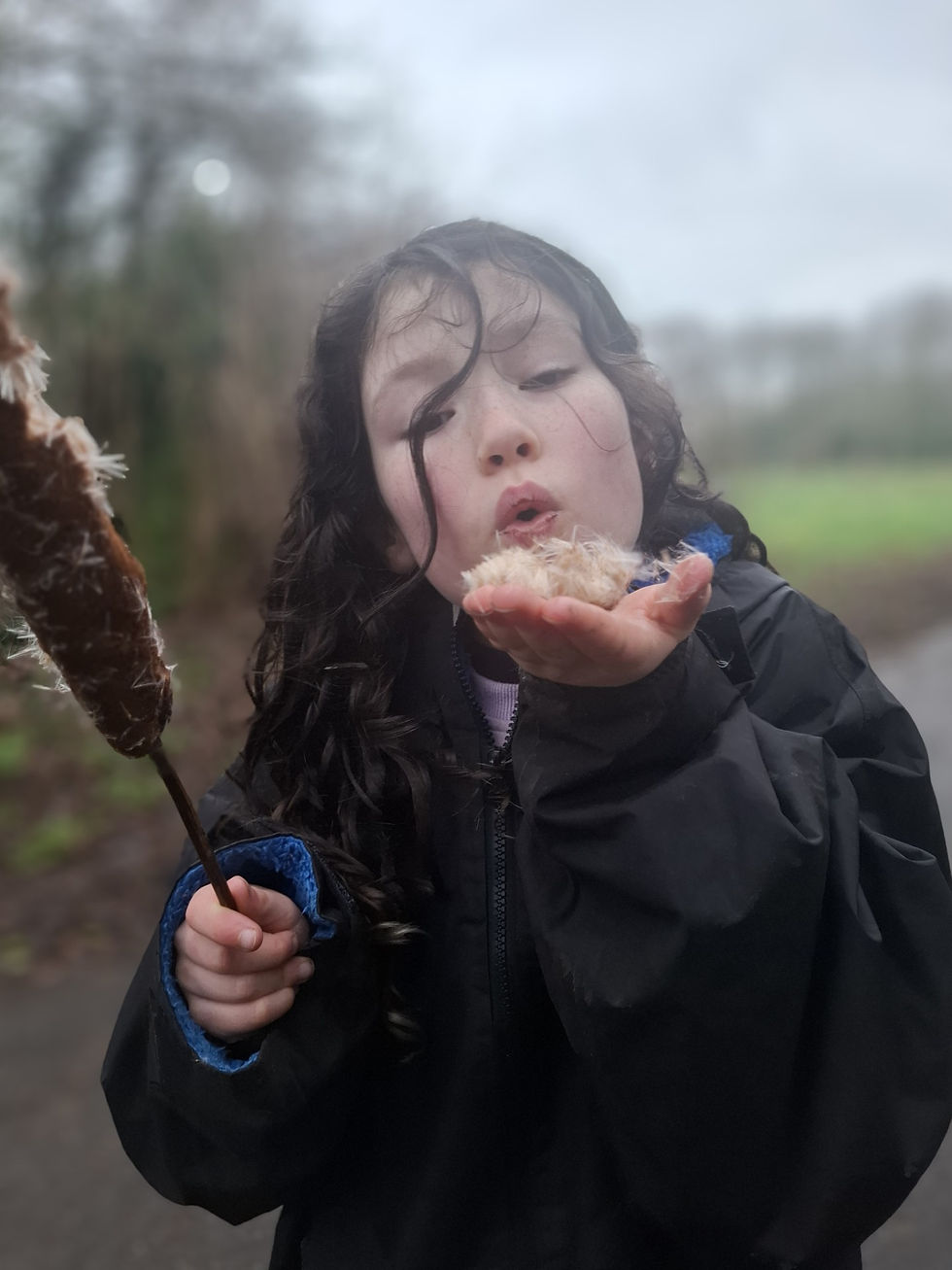
Academic milestones are neat, tidy, and easy to tick off. Emotional development is messy,
relational, and beautifully complex.
A child who is flourishing emotionally:
knows they are safe
trusts the adults around them
can express their feelings without fear
feels seen, soothed, and supported
explores with curiosity rather than anxiety
plays freely because their nervous system is settled
builds relationships rooted in connection, not compliance
These things don’t show up on a progress tracker. But they show up in the child, in their
body, their behaviour, their confidence, their joy.
Flourishing is not about being “ahead.” It’s about being well.
A child who can regulate, relate, and feel understood will learn. A child who feels pressured,
rushed, or misunderstood will struggle, no matter how early they start phonics.
This is why emotionally intelligent practice matters so deeply.
It’s why coregulation matters. Why play matters. Why relationships matter. Why slowing
down matters. Why meeting children where they are, not where a policy says they “should”
be, matters.
Flourishing is rooted in connection, not comparison.
Children do not grow like identical plants in identical pots. They grow like wildflowers, each with their own rhythm, their own needs, their own way of reaching toward the light.
When we define flourishing only through academic success, we shrink childhood. When we define flourishing through emotional wellbeing, we expand it.

We give children space to:
be themselves
make mistakes
feel big feelings
develop resilience
build empathy
form deep relationships
discover who they are
This is the foundation that carries them through life, long after early academics fade into the background.
This is why I choose the deeper definition.
Because I have seen children thrive when they feel safe, connected, and understood. I have seen children blossom when adults slow down and truly see them. I have seen children learn more, and love learning more, when their emotional world is held with care.
A flourishing child is not defined by what they can produce.
A flourishing child is defined by how they feel, how they relate, how they grow, and how they come to know themselves.
And that is the definition I stand by.
Comments