

Hibernation activities for Early Years, Primary and Secondary

“Where have all the animals gone?” can be the beginning of a worthwhile winter enquiry.
Before offering an answer, find out what children have noticed. A place that seemed full of insects may look quieter. A squirrel may still be busy. Different animals respond to winter in different ways.

You can start with the same short walk you already take. Notice what has changed, then return when there’s another question to follow.
Begin with what is visible
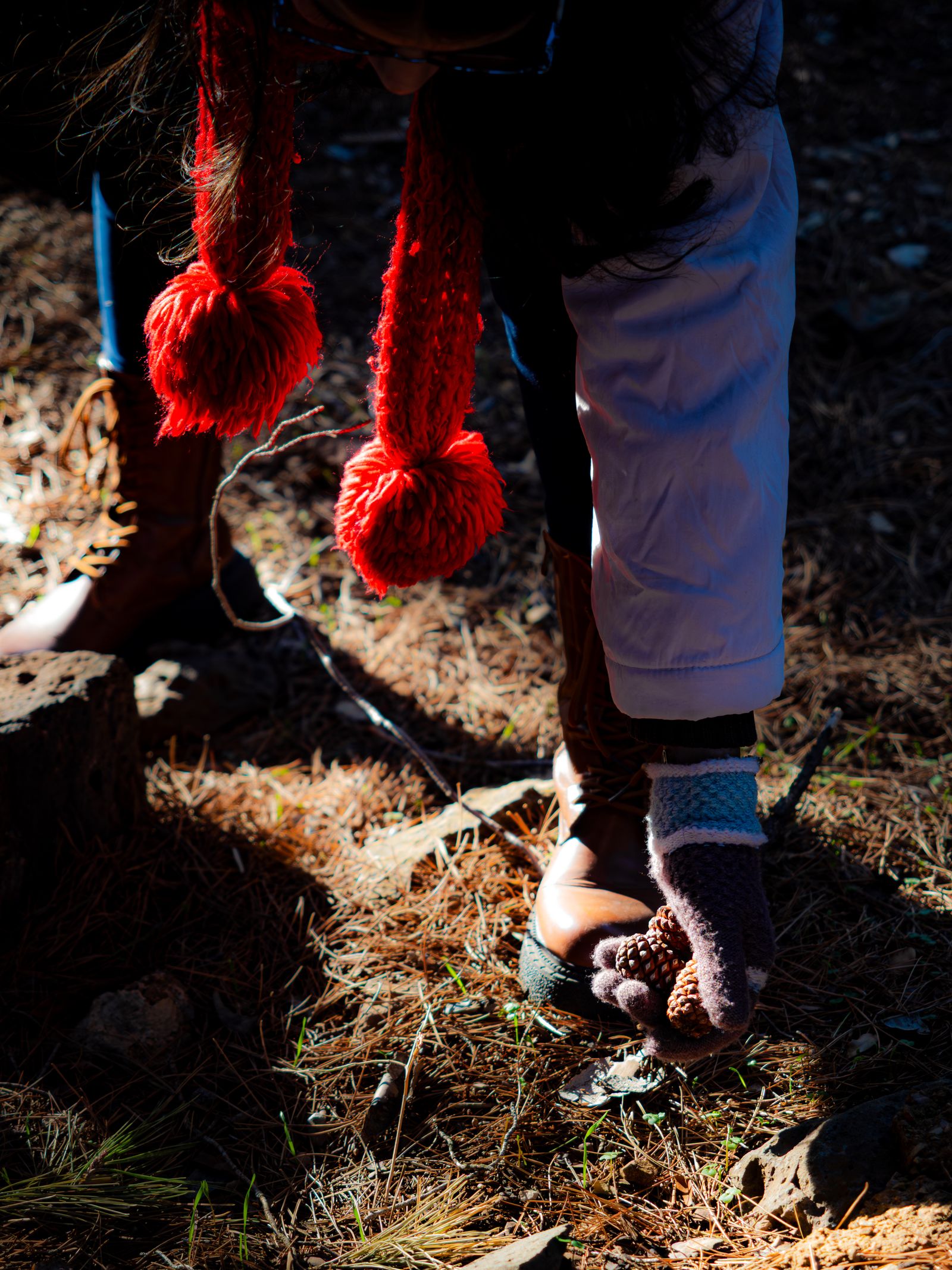
Visit a familiar outdoor place and notice what has changed. Look from paths and open spaces, leaving log piles, nests and potential winter shelters undisturbed.
Hibernation is more than a long sleep. Animals that hibernate reduce their activity and body processes to conserve energy. Hedgehogs, hazel dormice and bats are UK examples. Squirrels do not hibernate, even though they may be less visible in poor weather.
Early Years
If children are interested in shelter, offer a toy animal and a few suitable materials for imaginative building. They might make an enclosed space, move it somewhere quieter or decide that their animal needs something different.
Use play to open conversation without presenting pretend shelters as instructions for handling wildlife. Avoid requiring children to lie still or close their eyes to demonstrate hibernation; watching, building and storytelling are equally useful ways in.
Primary
Explore the question: do all animals get through winter in the same way? Compare a hedgehog with a squirrel and a familiar bird. Use reliable sources to investigate hibernation, food storage and remaining active.
Children could communicate their findings through pictures, models, conversation or a short explanation. Older learners might separate observations from explanations: “We saw a squirrel” is evidence; a claim about what all squirrels do requires more information.
Secondary
Investigate how an animal’s winter strategy relates to energy use, food availability and habitat. Learners could evaluate advice about seasonal habitat management and propose a realistic change to their own grounds.
They might also explore how weather affects the timing of animal activity, being careful not to draw conclusions about climate from a single sighting.
Care for the places animals use
Leaving a suitable area of leaves or an established habitat undisturbed can be more valuable than creating a display about wildlife. Agree any changes with the landowner or setting team and use species-specific guidance.
Around Bonfire Night, follow the British Hedgehog Preservation Society’s advice to stop, move and check before lighting. A pile of material may already be someone’s shelter.
Try it together: What makes a good winter shelter?
Choose a familiar path or look from a window. A hedge base, leaf-covered ground or a sheltered corner can prompt a question about what an animal might need. Look from where you are and leave potential winter homes intact.
Early Years. Offer a toy animal, a small box and some scrap paper. Let the child choose where their toy will shelter and what happens next. A photograph or a story works just as well if making doesn’t appeal.
Primary. Compare how quickly two identical lidded containers of comfortably warm water cool. Wrap one in a dry cloth and leave the other unwrapped. Use the same volume and starting temperature, then measure at the same times. This models how a covering affects cooling.
Secondary. Give learners a made-up winter energy budget. What changes if an animal uses less energy during torpor but needs extra energy each time it warms up? Ask which assumptions matter most and what evidence would help check them.
Explore the Hibernation Nature Study
We’ve created three 36-page editions, so you can choose the one that suits the learners you’re working with.
Early Years (roughly 3–5) brings hedgehogs, hazel dormice and bats into shared seasonal noticing, shelter stories and optional making.
Primary (roughly 5–11) compares winter strategies and offers habitat mapping, shelter models and a practical cooling investigation.
Secondary (roughly 11–16) goes deeper into torpor, microclimates, seasonal records and energy budgets, with practice data and a conservation decision.


Comments